


Cryptocurrency futures trading attracts my attention because it allows one to leverage market volatility. One key element in futures trading is 'leverage'.
Today, based on my personal experience, I want to share about Binance's leverage restrictions and how to use them in practice.
If you haven't signed up for Binance yet, please register through the link below to receive a 20% discount on transaction fees.
📌 Get a 20% discount on Binance transaction fees
Not only new users but also long-time users can receive a 20% fee discount if they meet the following five conditions:
The invited person already has a registered Binance account.
The invited person has not received an invitation before.
The invited person's account has not traded or used any products on Binance in the last 180 days.
When the invited person who qualifies opens the link and logs in, a confirmation window will appear.
The invited person must click [Now Binding] for the binding to take effect.
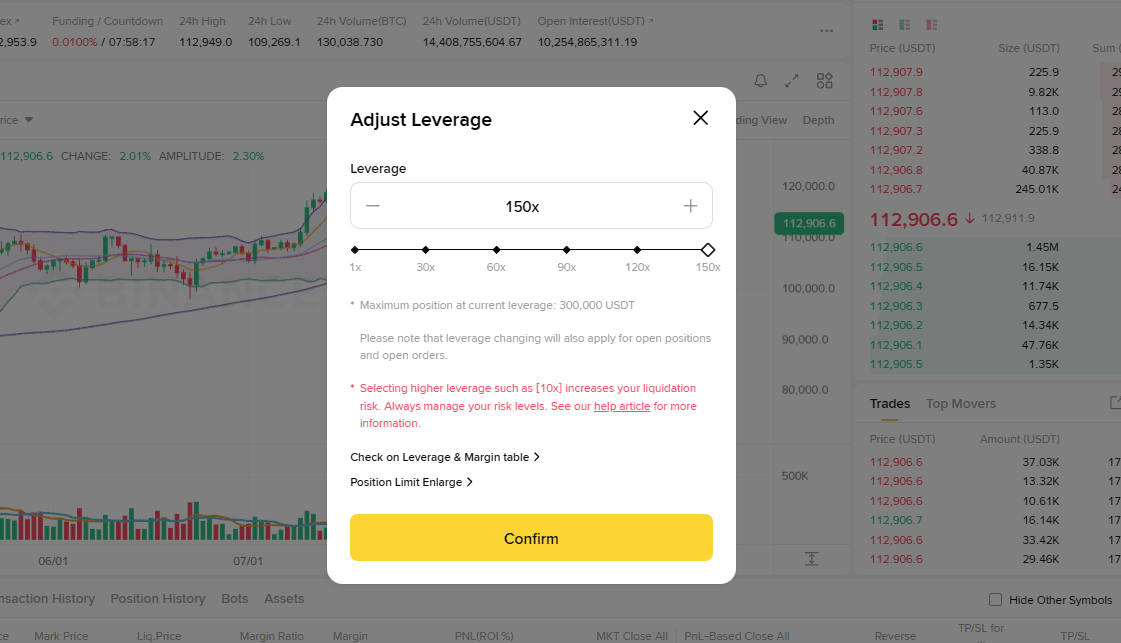
When I first started trading futures on Binance, the first thing I noticed was that leverage could be set up to 150x.
However, when actually trying to trade, I found that the available leverage varies depending on the asset, and in fact, the maximum I could set was limited according to my account status.
This is due to Binance's leverage restriction provisions.
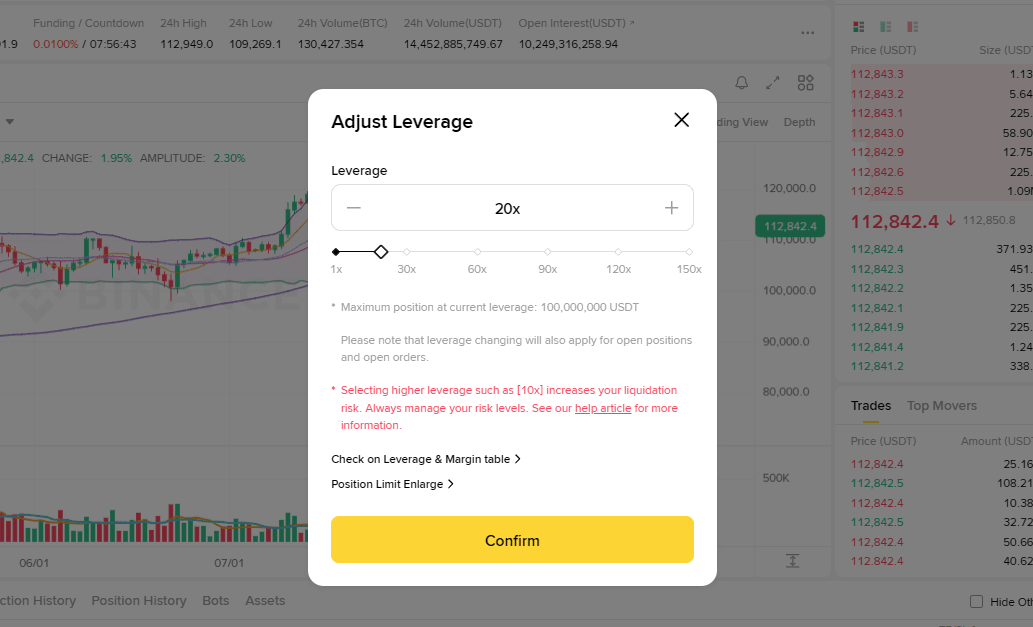
At Binance, new users or accounts with low trading volume are not immediately allowed to use high leverage. Specifically, new users in the first 60 days are generally limited to a maximum of 20x, and only after time has passed or sufficient trading history has been established, higher leverage can gradually be used.
These Binance leverage restrictions can be seen as a protective mechanism for risk management.
In addition, certain assets with high volatility or low market liquidity may have maximum leverage adjusted by Binance at its own discretion.
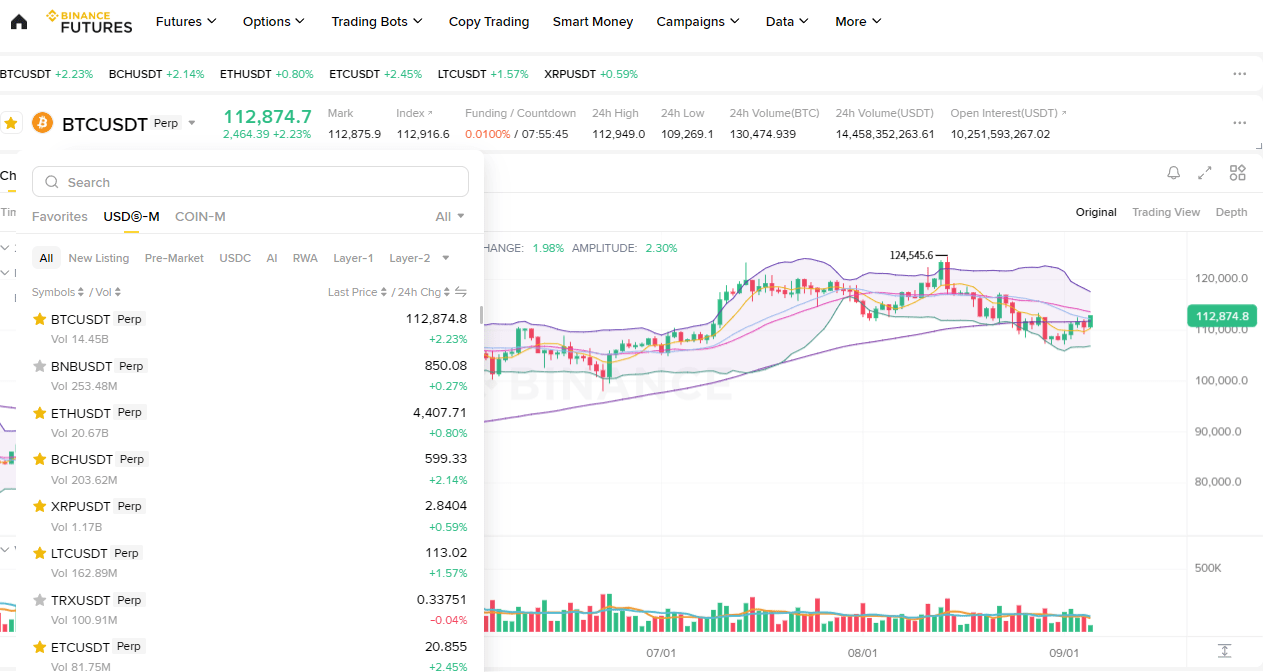
For example, BTC/USDT typically allows up to 150x, but newly listed altcoins are often limited to around 10–20x. This is also part of Binance's leverage restriction policy.
After understanding these restrictions, I realized that rather than randomly setting high leverage, it is better to adjust it carefully according to personal risk tolerance.
In my case, I usually trade around 3x to 5x. This way, even if the market moves against expectations, the risk of liquidation can be minimized.
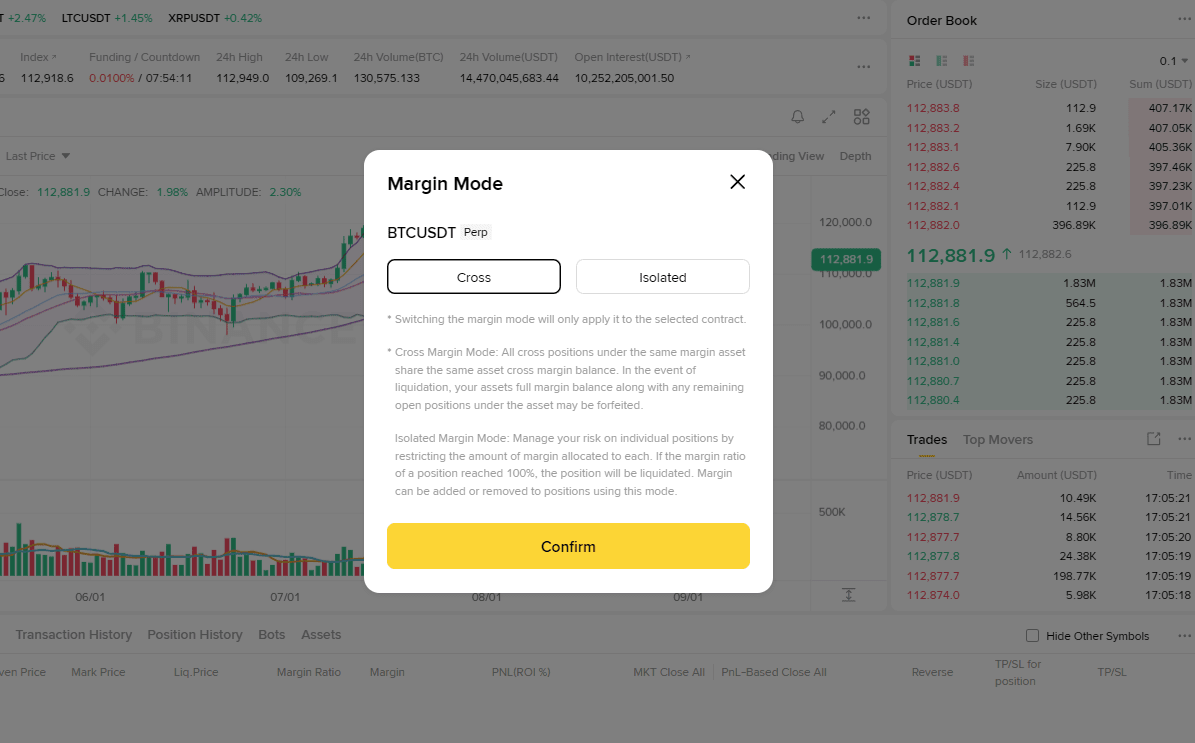
In practice, setting leverage on Binance is very simple. On the futures trading screen, you select the “Cross” or “Isolated” mode, then directly enter the leverage level or adjust it using a slider.
However, in Cross mode, your entire balance can be exposed to risk, so it is safer for beginners to practice first in Isolated mode.
Leverage can also be adjusted after opening a position. However, when holding a position, only partial adjustments may be made, and in some cases, this may not be allowed. Therefore, it is important to consider carefully and set leverage before opening a position.
It should be noted that depending on account status or market conditions, the previously allowed leverage may be reduced. Binance regularly updates its leverage restriction policies and announces this information in announcements or on the trading screen, so it is important to familiarize yourself to always check.
Additionally, trading with high leverage can result in total losses in an instant if unexpected price movements occur, so emergency response strategies should be prepared in advance.
When using leverage, it is very important to check the liquidation price and clearly set stop-loss conditions. The higher the leverage, the greater the potential profit, but the risk of loss also increases exponentially.
Therefore, for less experienced investors, conservative leverage settings are safer. I myself have set leverage over 10x and experienced liquidation due to a sharp decline. After that, I switched to a strategy using lower leverage and realized that stable profits last much longer than quick gains.
In short, Binance's leverage restrictions are a system designed to protect investors and are applied flexibly depending on account credibility, trading history, and market volatility. Understanding this policy beforehand and learning how to use it can help reduce unnecessary losses.
For those interested in asset management like me, the most important thing is to understand leverage as a tool and use it wisely. Ultimately, a cautious approach is the wisest investment strategy.